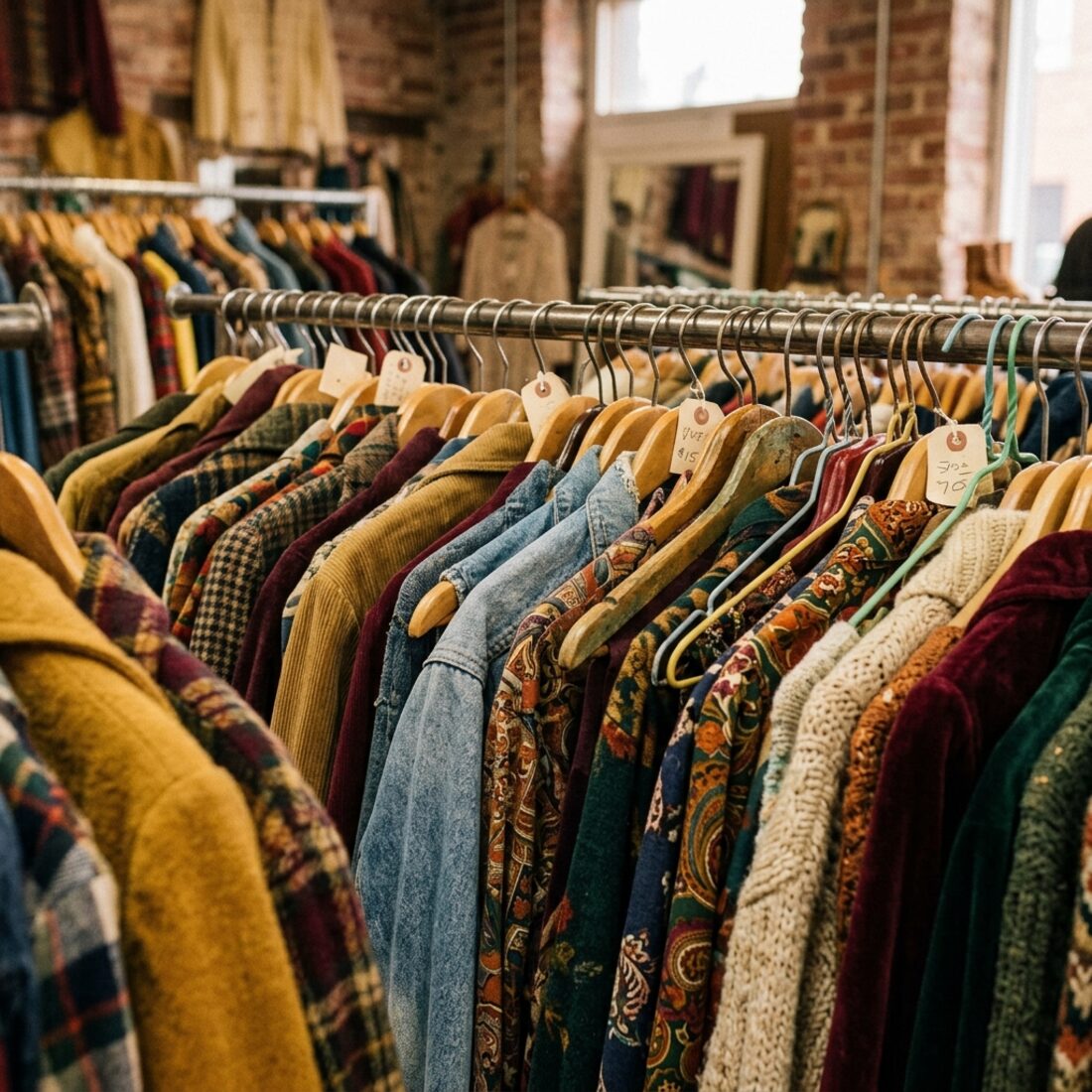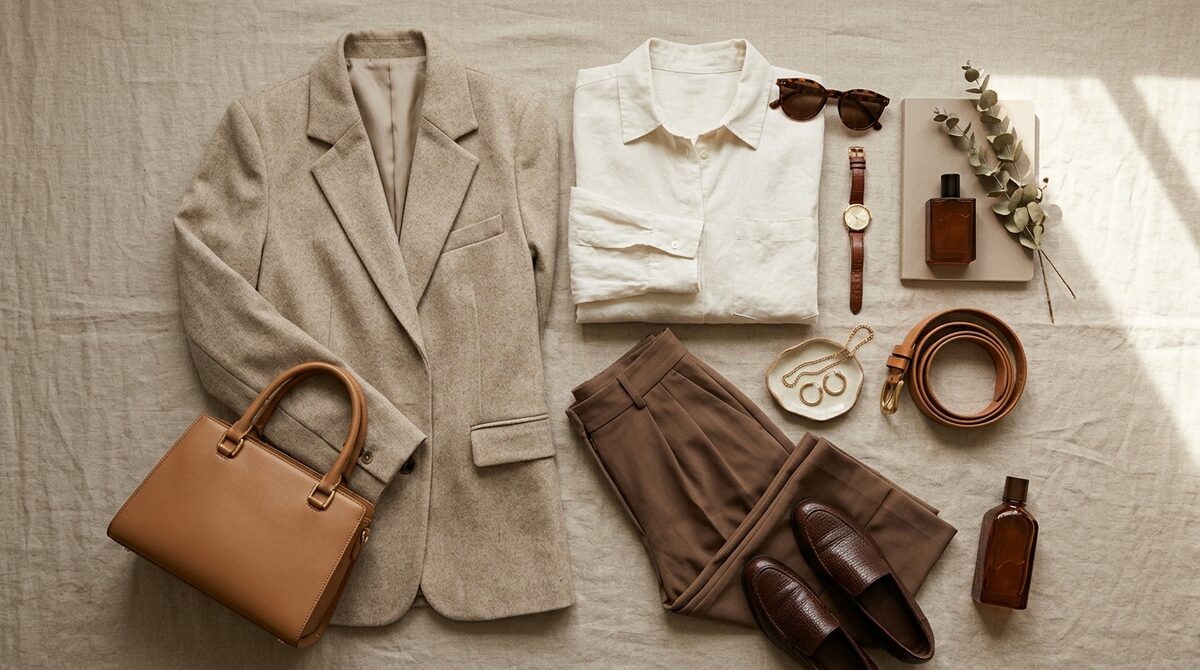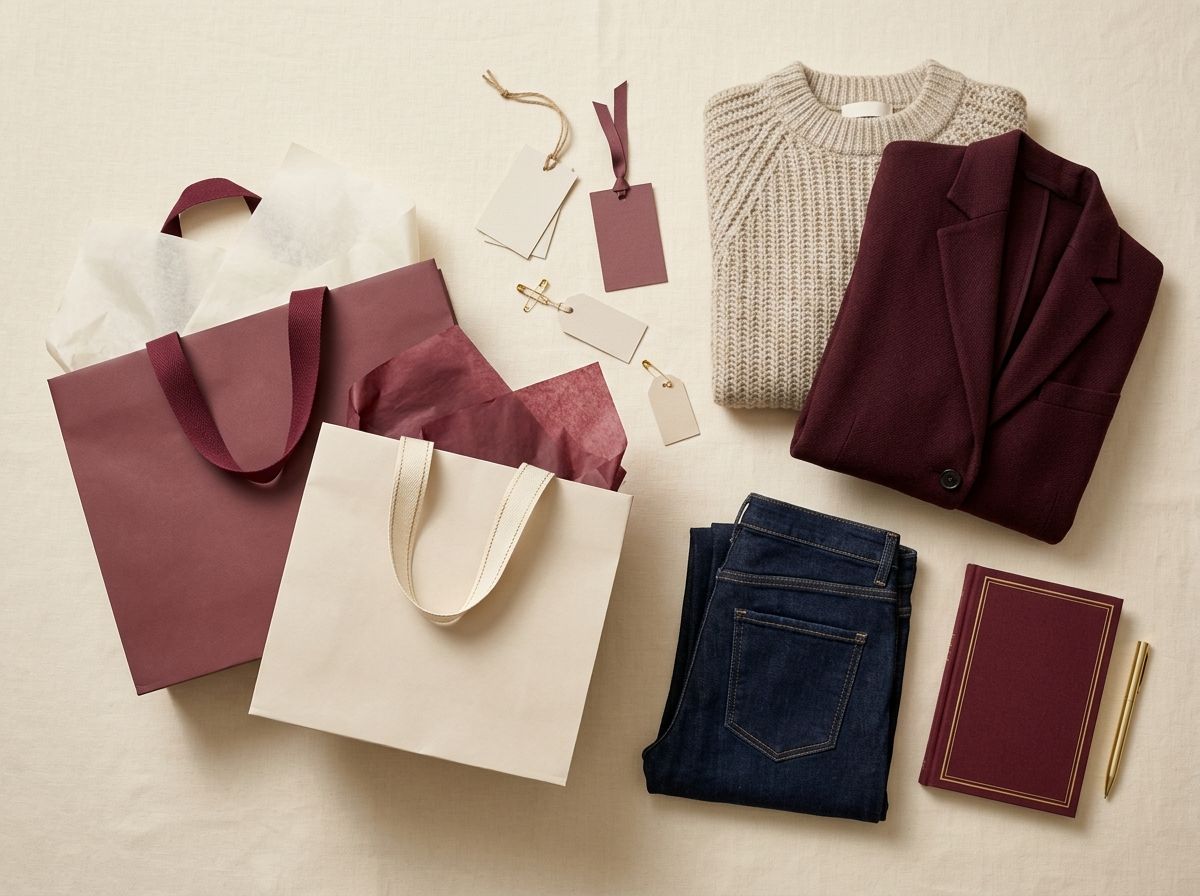
Sale season — whether it's Eid, end-of-season markdowns, or a Black Friday-style event — is when most wardrobes accumulate their least-worn pieces. A discount only saves money if you were going to buy the item anyway.
Make a list before the sale starts
Write down what you actually need — a replacement basic, a specific gap in your wardrobe — before browsing. Shopping with a list dramatically cuts down on impulse buys that seemed necessary only because they were 40% off.
Cost-per-wear beats sticker price
A well-made basic worn fifty times a year is cheaper, per wear, than a trend piece bought for less that's worn twice. Before buying, estimate how often you'd realistically wear the item.
The pieces worth buying on sale
Basics you already know you'll rewear — well-fitted jeans, plain kurtas or shirts, a good coat — are the safest sale purchases because their value doesn't depend on a specific trend staying current.
The pieces to skip, even at a discount
Trend-driven pieces, anything that doesn't fit quite right "but might work later," and items you're buying purely because of the discount percentage are the ones that end up unworn. If you wouldn't buy it at full price, the discount doesn't change that.
Set a budget and track it as you shop
Sales are designed to make spending feel like saving. A fixed budget, decided before you start, keeps the math honest — track what you've spent as you go rather than adding it up at checkout.
Returns and exchange policies: read before you buy
Sale items are often final-sale or have shorter return windows. Confirm the policy before buying anything you're not fully sure about, especially sizing-dependent pieces bought online.
Final thought
The best sale purchases are the ones you would have bought anyway, just at a better price. Everything else is a discount on something you didn't need in the first place.