Office dress codes have loosened considerably, but "casual" doesn't mean careless. Here's how to build a smart, comfortable office wardrobe that works across hybrid and in-person days alike.
The modern office uniform
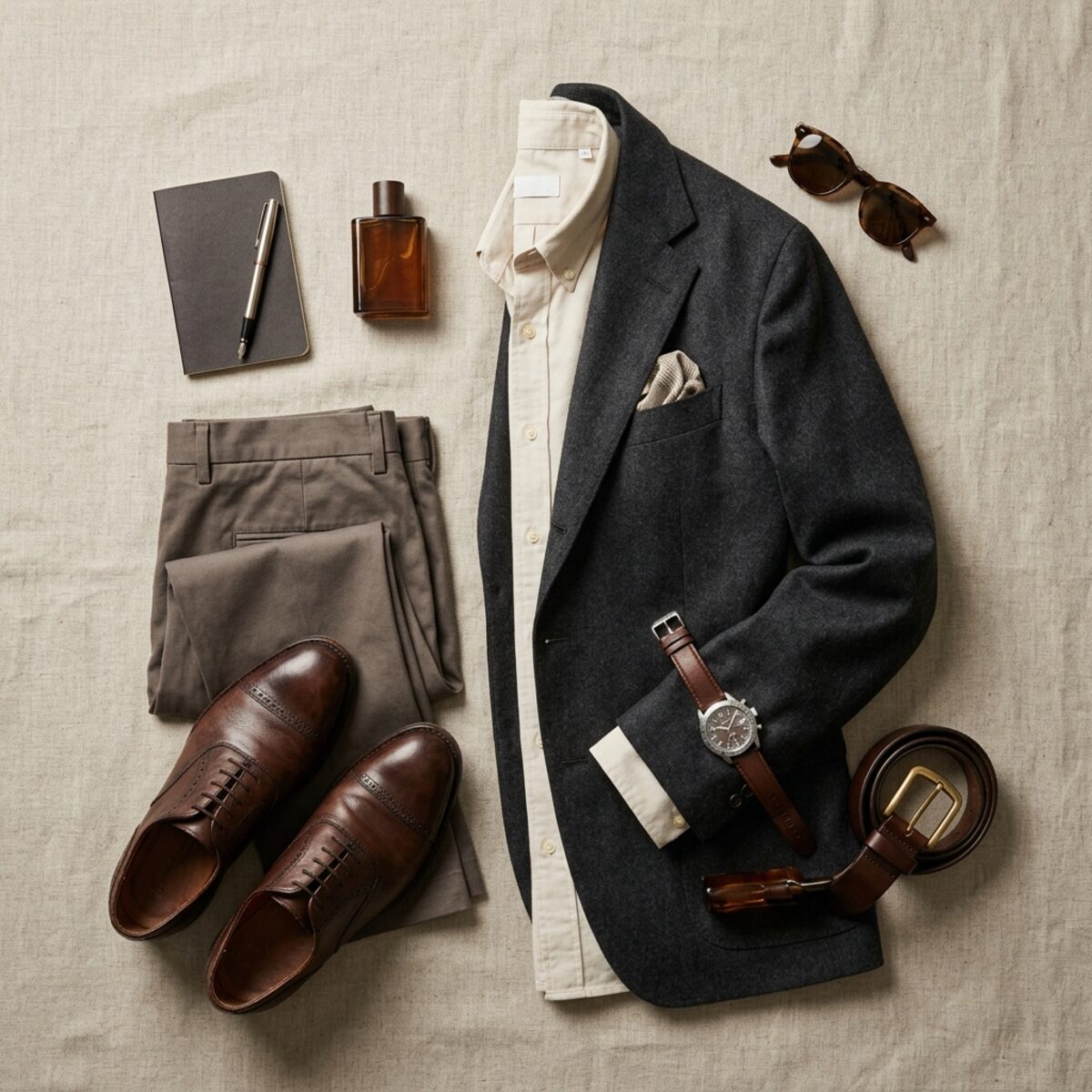
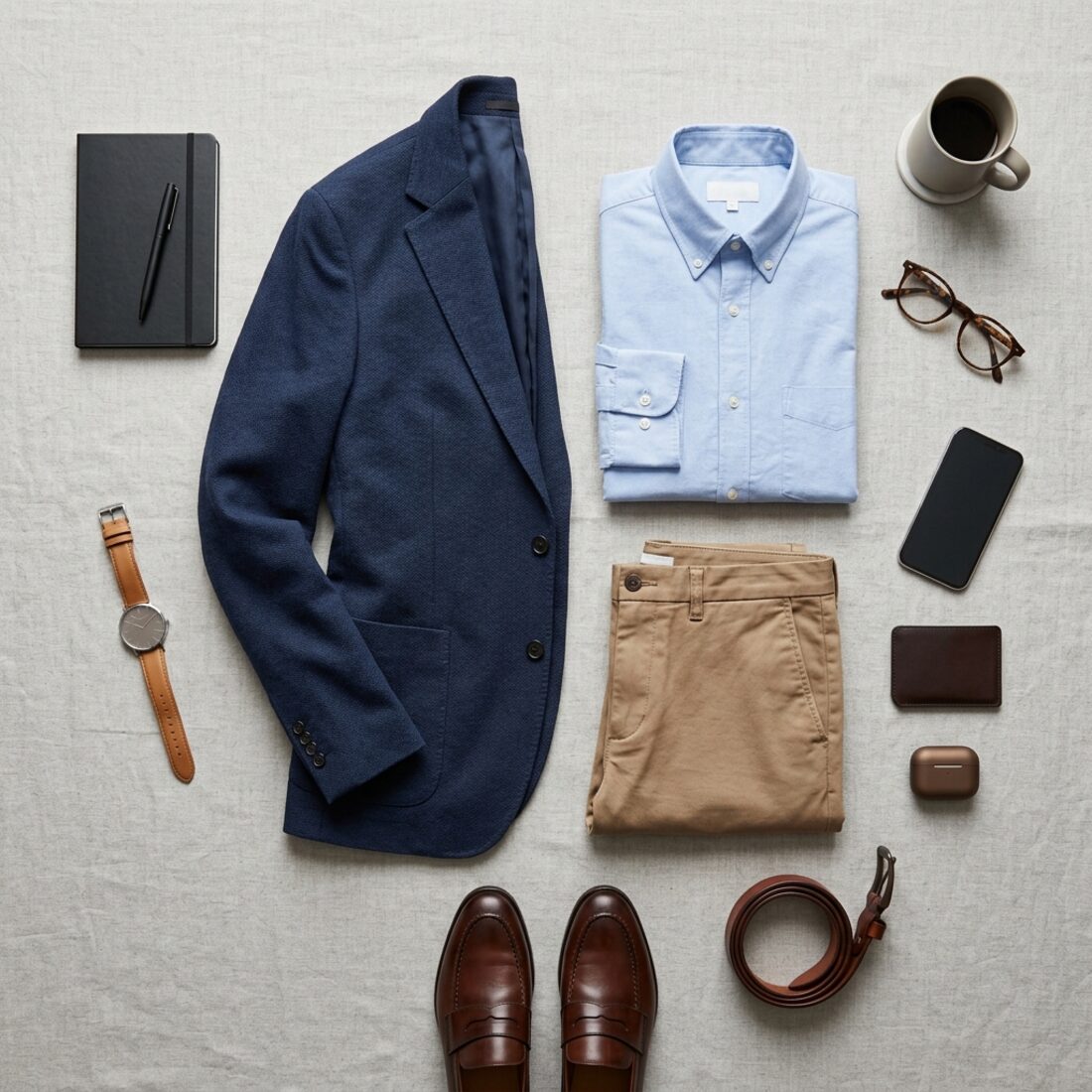
Chinos or tailored trousers, a well-fitted button-down or polo, and clean shoes form the backbone of most modern office dress codes — smart enough for meetings, comfortable enough for a full day at a desk.
Layering for temperature and formality
A knit sweater or blazer worn over a simple shirt instantly raises the formality level for client meetings, and can be removed just as easily for a more relaxed afternoon.
Fabric choices that actually last a workday
Breathable cotton blends and wrinkle-resistant fabrics matter more than you'd think — nobody looks put-together by 4pm in a shirt that creases the moment you sit down.
Shoes: comfort and polish together
Leather loafers or clean minimalist sneakers (depending on your office's culture) strike the right balance — polished enough to look intentional, comfortable enough for a commute and a full day on your feet.
Building a five-day rotation
- 2 pairs of trousers (one neutral, one slightly darker for variety)
- 4-5 shirts or polos that all pair with both trouser options
- 1 blazer or structured jacket for meetings
- 1 knit layer for cooler days
- 2 pairs of shoes to rotate
Hybrid work changes the calculation
With fewer in-office days, it's worth investing slightly more in fewer, better pieces you'll actually wear on the days that matter, rather than a full five-day wardrobe you rarely use in full.
Final thought
Office wear in 2026 rewards looking effortlessly put-together rather than formally dressed. Fit, fabric, and a handful of well-chosen pieces will take you further than a closet full of suits you rarely wear.