You don't need a design background to dress with better color sense — just a few practical principles that make outfit-building far less guesswork.
Start with the color wheel basics
Complementary colors (opposite on the wheel, like navy and orange) create contrast and energy. Analogous colors (next to each other, like blue and green) create a calmer, cohesive look.
Neutrals are your foundation
Black, white, grey, navy, and beige all pair with almost everything. Building outfits around a neutral base, then adding one accent color, is the easiest formula for consistently good-looking outfits.
The 60-30-10 rule
Borrowed from interior design: 60% of an outfit should be a dominant color, 30% a secondary color, and 10% an accent (often through accessories). This ratio prevents outfits from feeling either boring or chaotic.
Warm vs. cool undertones
Colors themselves have warm or cool undertones — a "warm" red leans orange, a "cool" red leans blue-purple. Matching undertones across an outfit makes colors feel intentional rather than accidental.
When in doubt, go monochrome
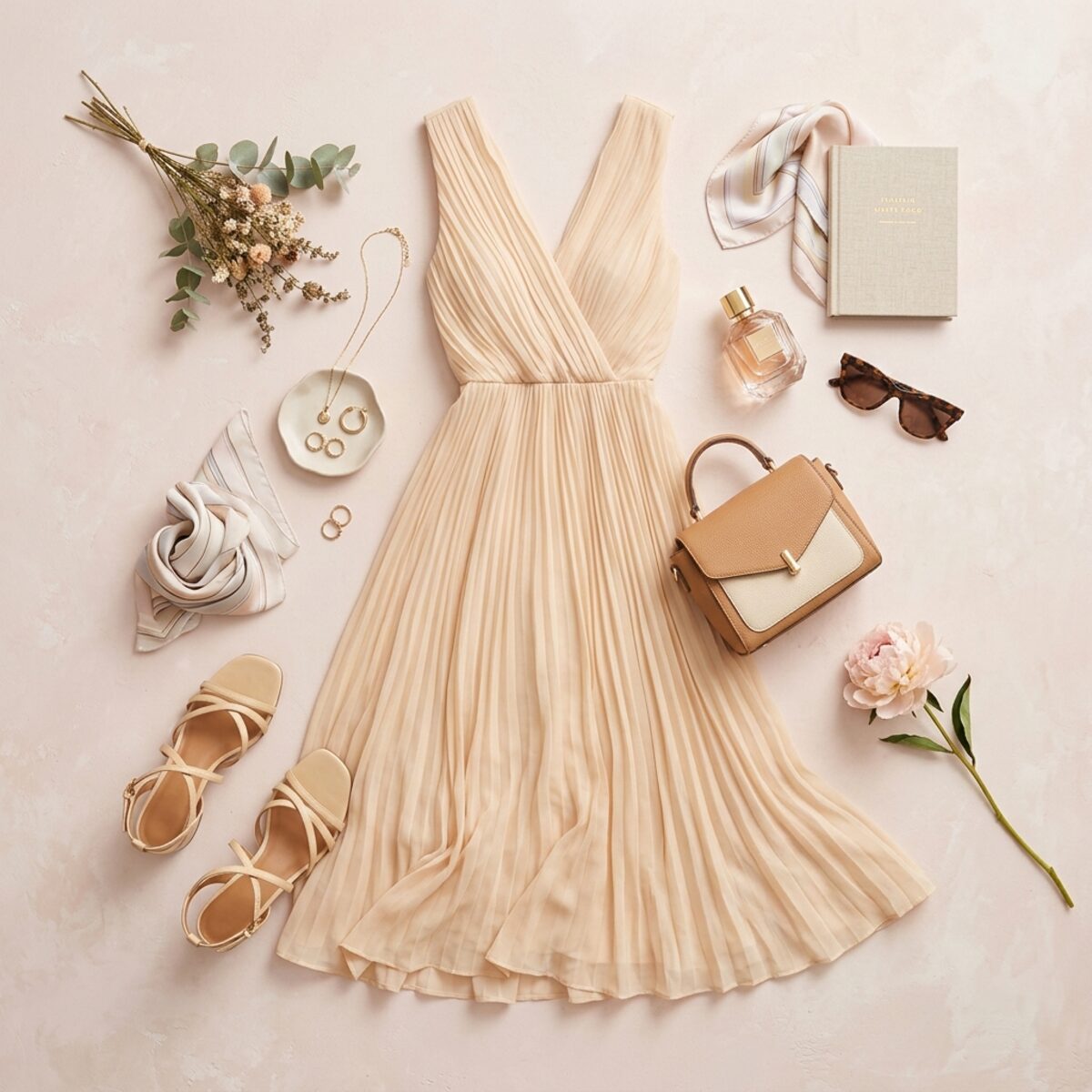
Wearing different shades of the same color family is nearly foolproof and instantly looks elevated, especially when you vary the fabric textures within the outfit.
Trust contrast for statement pieces
If you own one bold, colorful piece, let it be the star — pair it with neutrals rather than other bold colors, so the outfit has one clear focal point.
Final thought
Color theory isn't about memorizing rules — it's about training your eye to notice what feels balanced. Once you internalize a few basics, outfit-building gets significantly faster.